How are charity workspaces evolving, and what does it mean for your organisation?
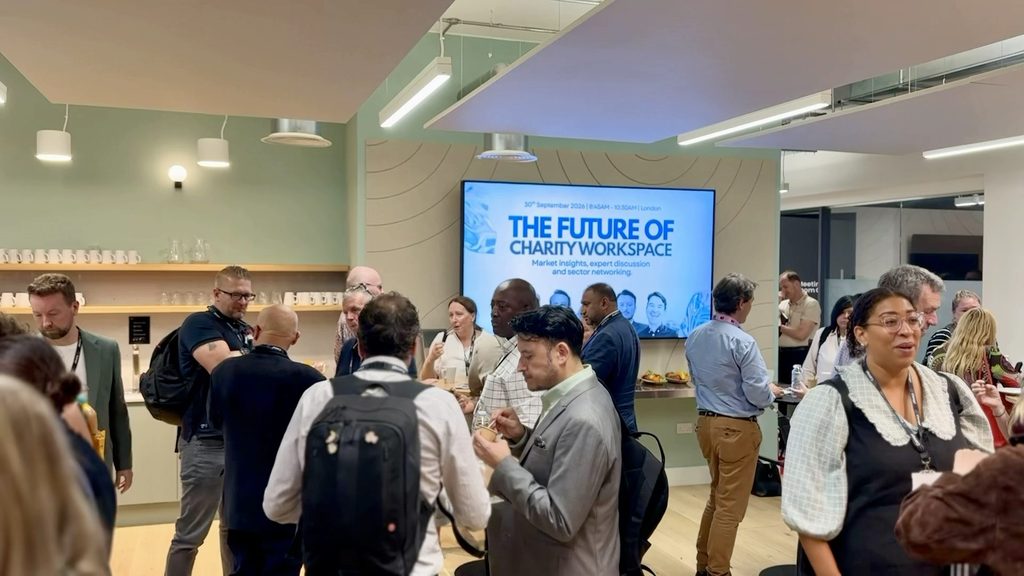
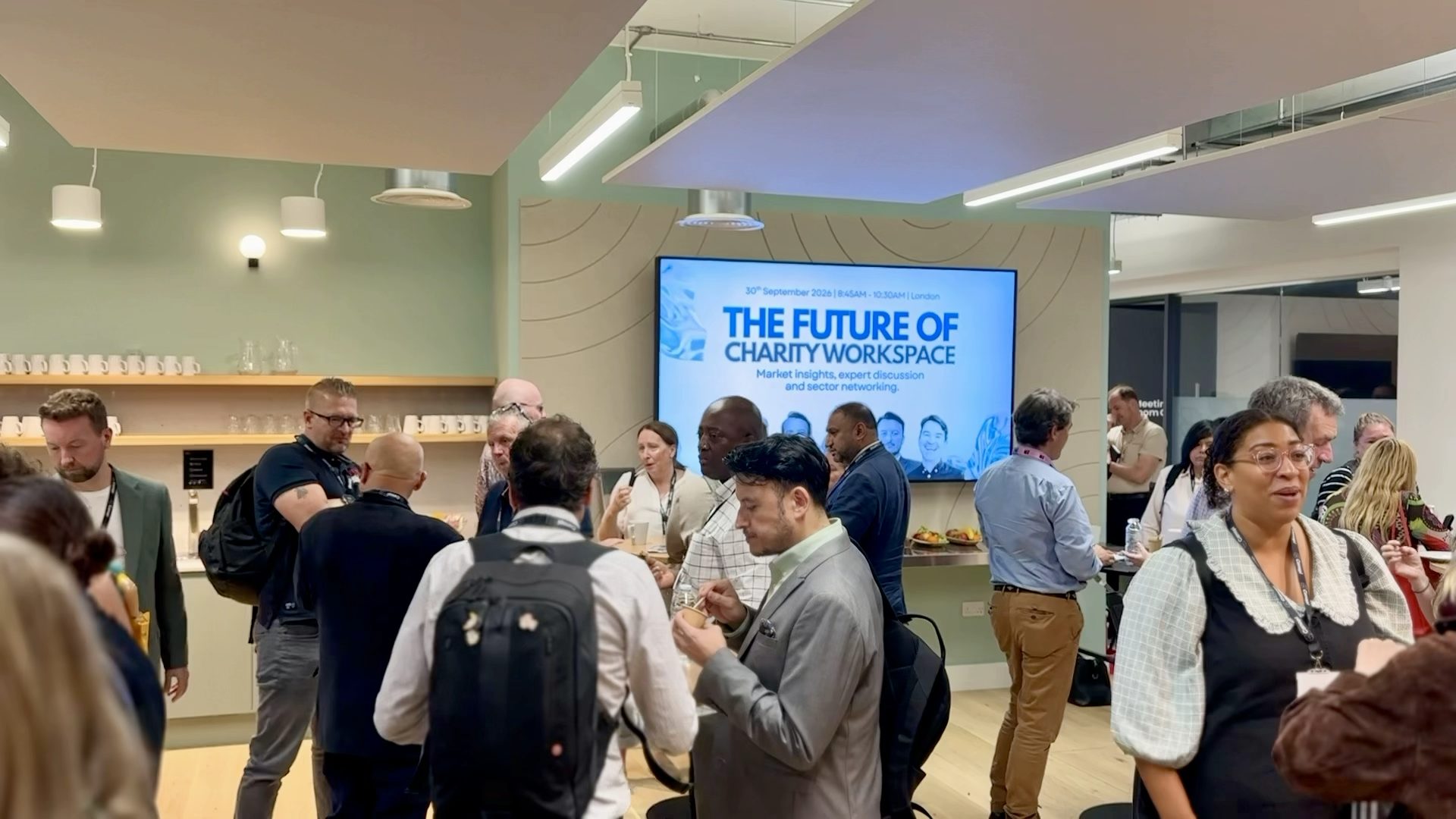
On Wednesday 30 September, Constructive Space joined TSP and Canopi to host The Future of Charity Workspace, bringing over 60 charity leaders and workplace specialists together for a morning of discussion, shared experiences and practical ideas.
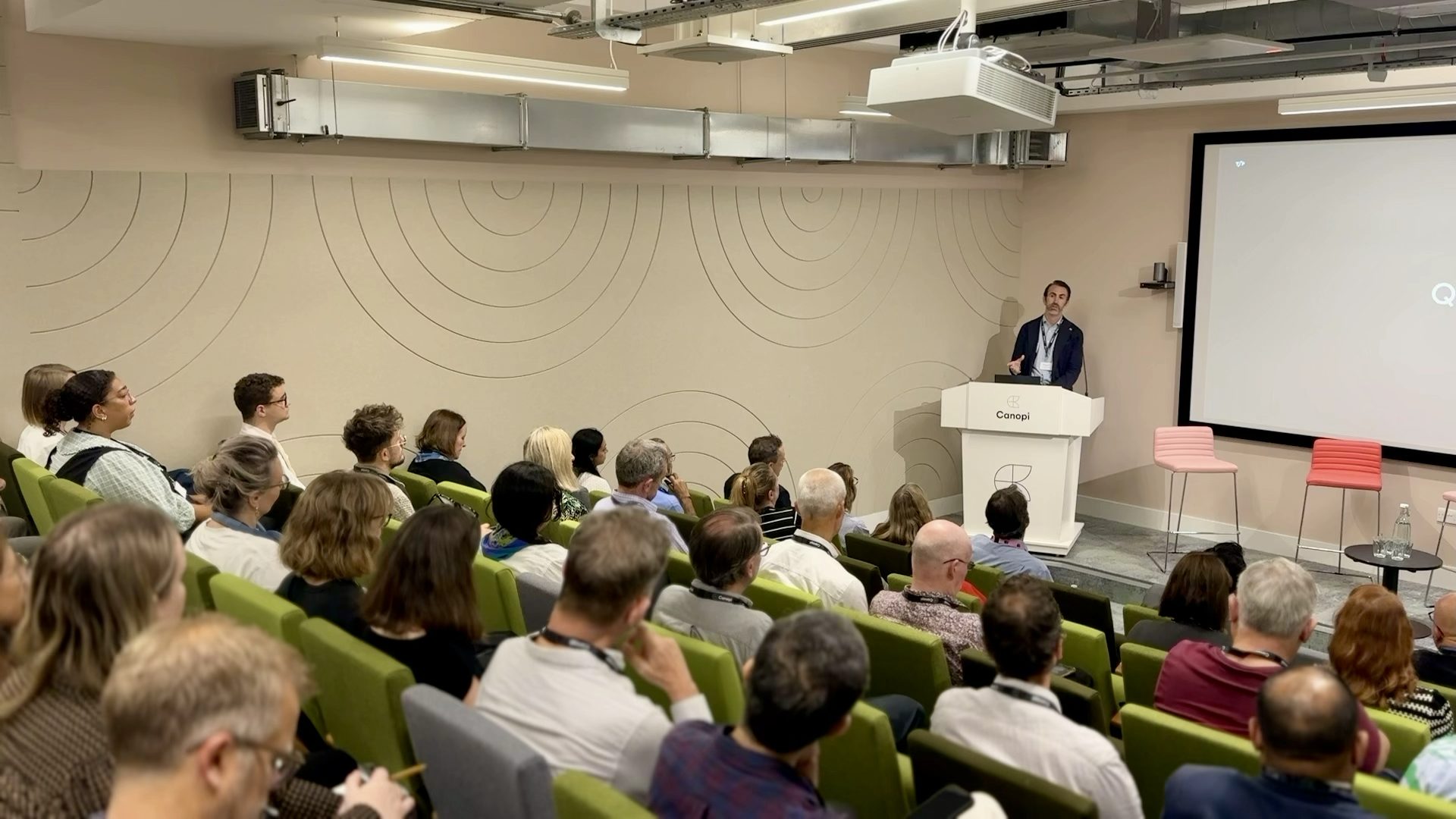
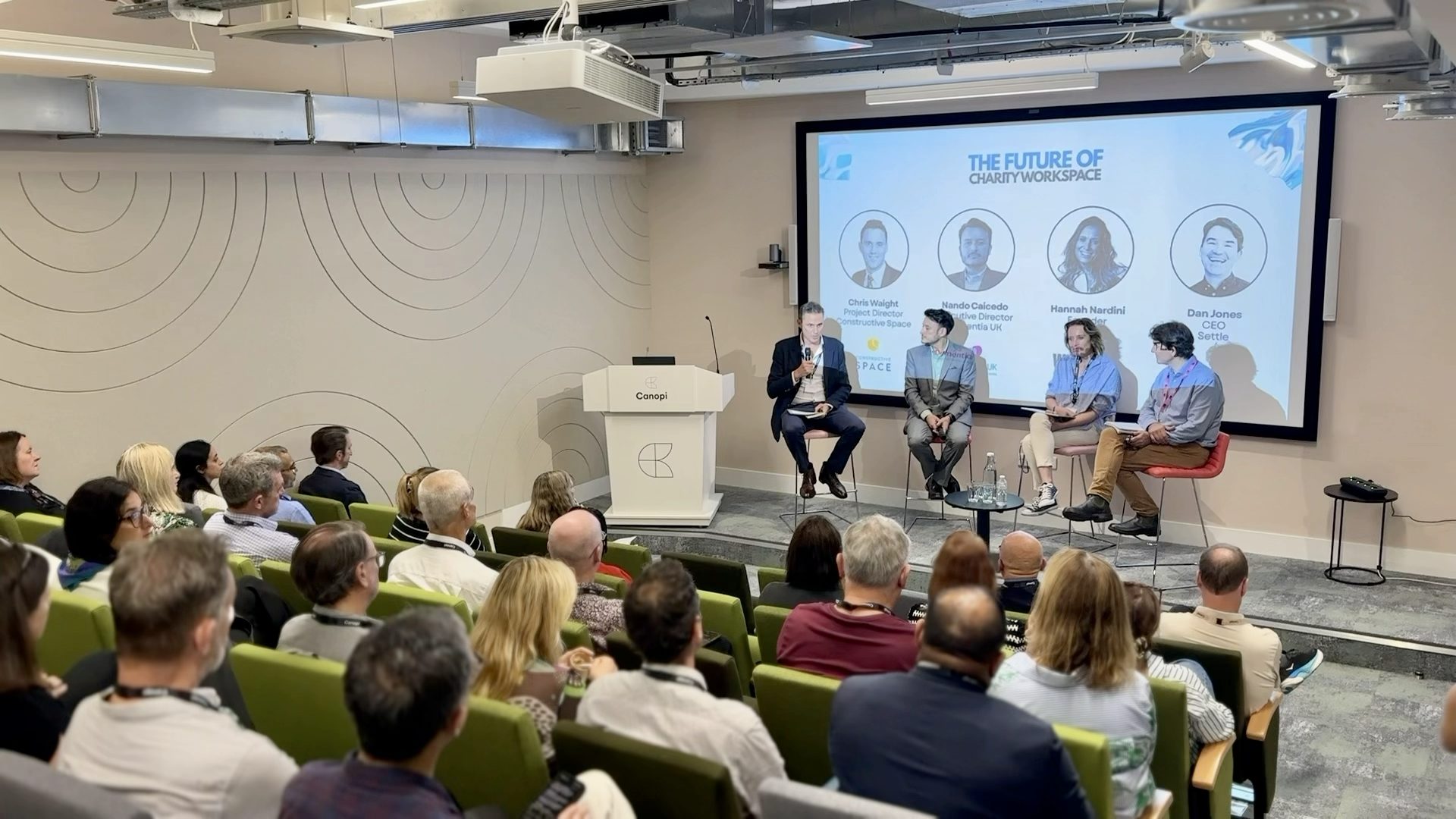
Held at Canopi, the event opened with a property market update from TSP’s Managing Director, Jonathan Vanstone-Walker. Our Project Director, Chris Waight, then chaired a panel featuring Dan Jones, CEO of Settle; Nando Caicedo, Executive Director at Dementia UK; and Hannah Nardini, Workplace Designer at WKspace.
The market picture for charities
Jonathan’s update explored how changing attendance patterns are shaping demand for office space. Citing Remit Consulting, he reported that UK office occupancy has settled at around 40% of capacity, with a post-pandemic high of 44% in January 2026.
London’s property market also presents a mixed picture. Overall office vacancy stands at approximately 11%, but availability varies considerably by location. Areas such as Mayfair, Soho and King’s Cross remain close to full, while roughly one in five offices is empty in Stratford, Hammersmith and Vauxhall. Office values, meanwhile, have fallen around 20% from their peak, although Jonathan reported that the market had bottomed out in late 2025.
For charities, he identified three broad responses: larger organisations moving into smaller, better-quality premises; small and mid-sized charities seeking greater flexibility; and property-owning charities reviewing which assets to retain or sell.
Alongside costs, Jonathan encouraged organisations to consider staff experience, accessibility, recruitment and retention when assessing their workspace options.
Understanding how the office is used
The panel brought these market trends into the day-to-day reality of running a charity workplace.
Drawing on approximately 105 utilisation studies over the previous year, Hannah reported average office utilisation of 46%, rising to peaks of around 71%, typically on Tuesdays and Wednesdays. These were findings from her workplace studies, rather than charity-sector averages.
The gap illustrates why space planning needs to account for both attendance levels and working patterns. An office can feel overcrowded midweek while remaining underused on other days. Hannah discussed giving teams one fixed day for collaboration and a second day of their choosing, with arrangements reviewed regularly to keep them fair and encourage interaction between teams.
Quieter days prompted practical ideas, from learning and mentoring sessions to sharing space with another charity. Hannah described one charity where Friday occupancy was around 3%, leading it to close the office that day to reduce operating costs. Dan explained that Settle was also exploring how Fridays at home could support more thoughtful, strategic work.
Giving people a reason to come in
Dan shared Settle’s experience of providing 10 desks for a team of 24, with access to two additional hot desks when needed. A more accessible location had helped the office become a useful base for frontline colleagues between appointments. Coaches who previously worked in cafés between visits could now return to the office, catch up with colleagues and head out again.
Shared spaces also played a part. A courtyard, kitchen and nearby park gave people opportunities to have lunch together and build relationships beyond formal meetings.
Dan highlighted another important consideration: many of Settle’s staff are under 30 and live in shared accommodation. For them, the office can offer somewhere to concentrate that is difficult to find at home. Different living arrangements can significantly affect what people need from their workplace.
Listening to staff and supporting culture
Nando reflected on Dementia UK’s office redesign with Constructive Space, which introduced more meeting areas, pods and spaces for collaboration. Staff consultation was central to the process, giving colleagues a voice in decisions ranging from kitchen facilities to accessibility.
He explained that an office can help people experience an organisation’s culture, while that culture is shaped through leadership, values and everyday behaviour. The conversations around the redesign were themselves an opportunity to demonstrate that staff views mattered.
The importance of checking assumptions also emerged in Dan’s account of Settle’s move. Leaders initially welcomed the sight of frontline colleagues gathering in communal areas. Staff feedback later revealed that some were there because the desks were already occupied.
Hannah added that hybrid schedules make chance encounters less reliable. Shared spaces at the heart of an office can help colleagues connect, but organisations also need to be more deliberate about creating opportunities for those interactions.
Productivity and fairness across different roles
The panel challenged the idea that productivity can be judged simply by whether someone is at home or in the office. Quiet surroundings may support concentrated work, while time spent building relationships or discussing ideas also has value.
Nando described trying to keep his office days clear enough for informal conversations, rather than spending the whole day on Teams calls. He also raised how AI tools could change working habits further, prompting leaders to reconsider which activities benefit most from being together.
For charities, these decisions can be particularly complex. Dementia UK’s workforce includes office staff, home-based specialists and nurses working across different settings. Supporting connection and a sense of fairness across those groups requires an understanding of their different roles.
Dan also observed that hybrid arrangements have become deeply embedded in people’s working lives, making consultation and care important when introducing changes.
Planning the next step
For charities considering a move or redesign, Hannah advised starting with the organisation before deciding on square footage. Headcount, future recruitment, attendance patterns and the activities people perform should all inform the brief.
She noted that the workplaces her team works on now average around 25 different types of environment. Providing that variety does not necessarily require more space; it requires a clearer understanding of how people work.
For us at Constructive Space, the morning reinforced the value of combining staff input with evidence of how a workplace is used. Together, they provide a stronger basis for designing spaces that support charity teams and the work they do.
Thank you to TSP, Canopi, our speakers and everyone who joined us and contributed to the discussion.